
St Cross Gardens
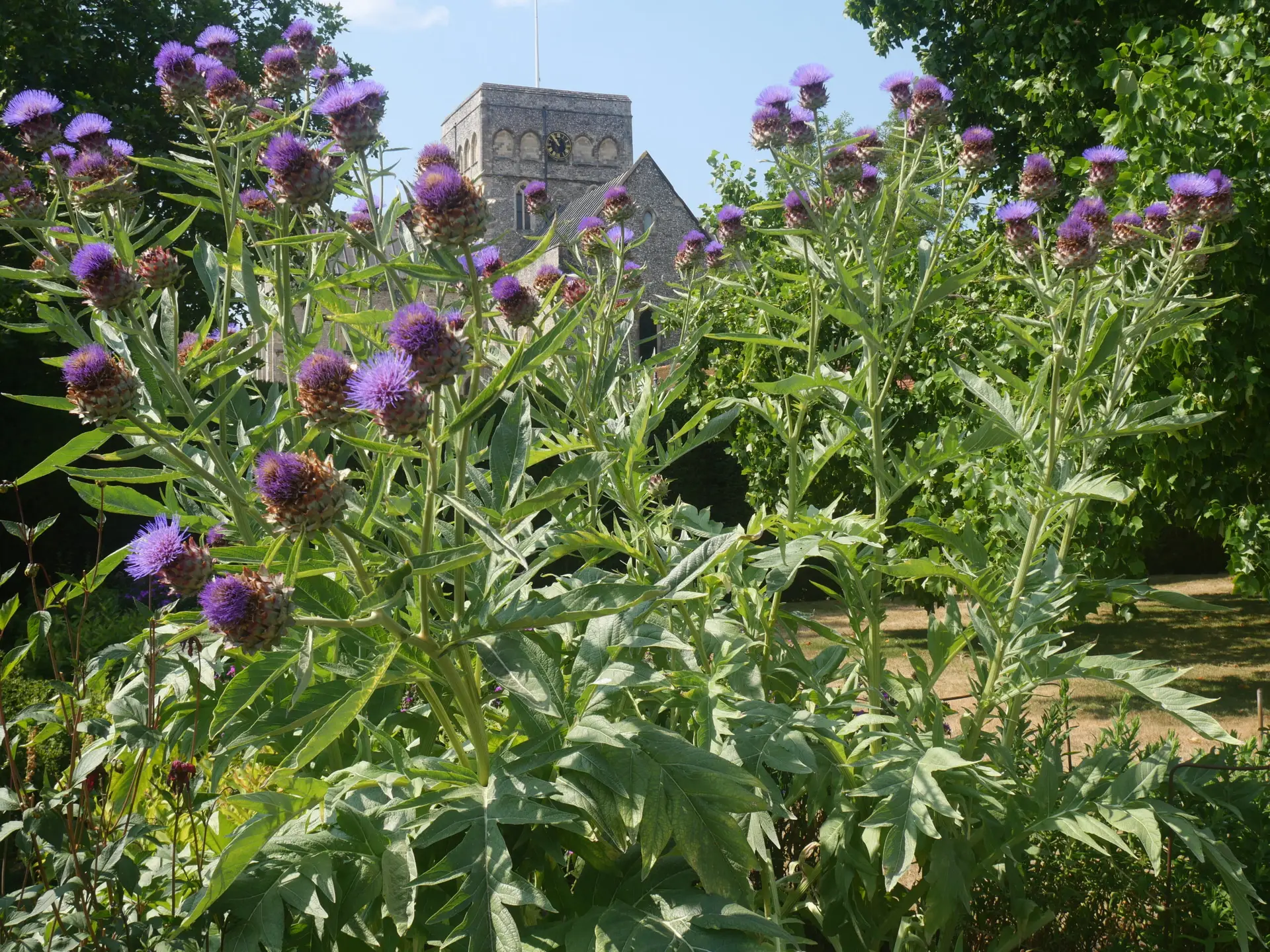
The current gardens are believed to date from the late 1400s, when Cardinal Beaufort built new accommodation for the Brothers on the north side of the church, releasing the area to the south for cultivation. The gardens were originally intended to provide food, as was the fishpond and the now vanished dovecote, in the northeast corner. We know little about the history of them, but they became more ornamental, and in the late twentieth century a new design and planting scheme was introduced by Victoria Wakefield, then the Chairman of the Trustees.
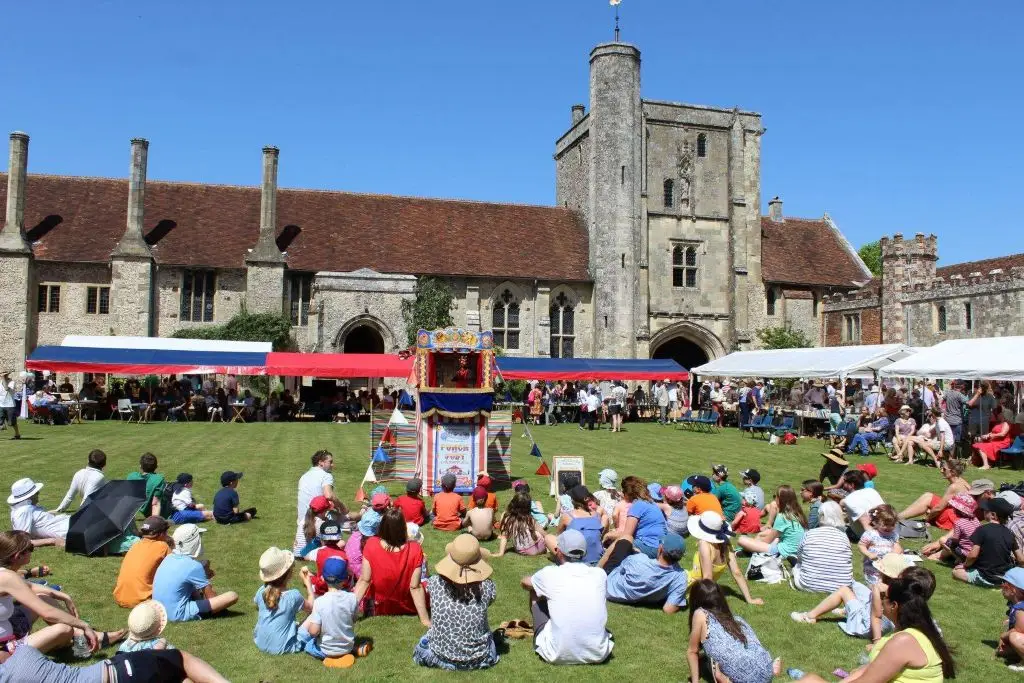
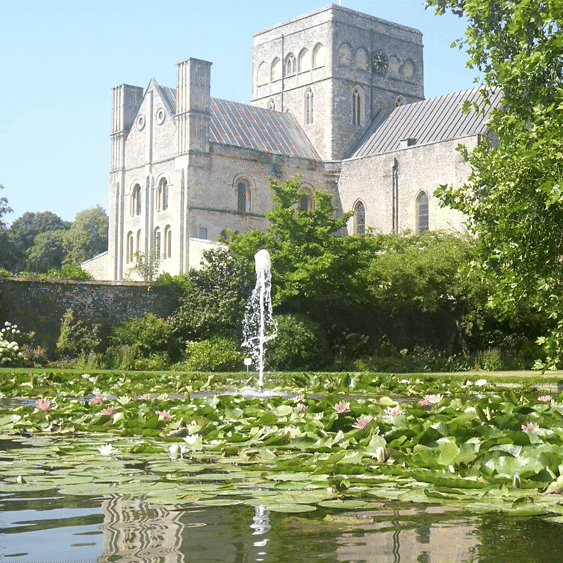
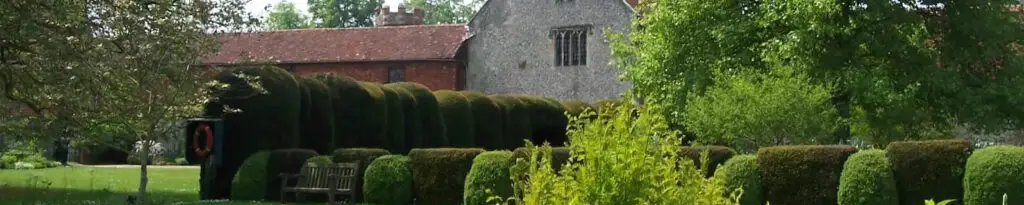
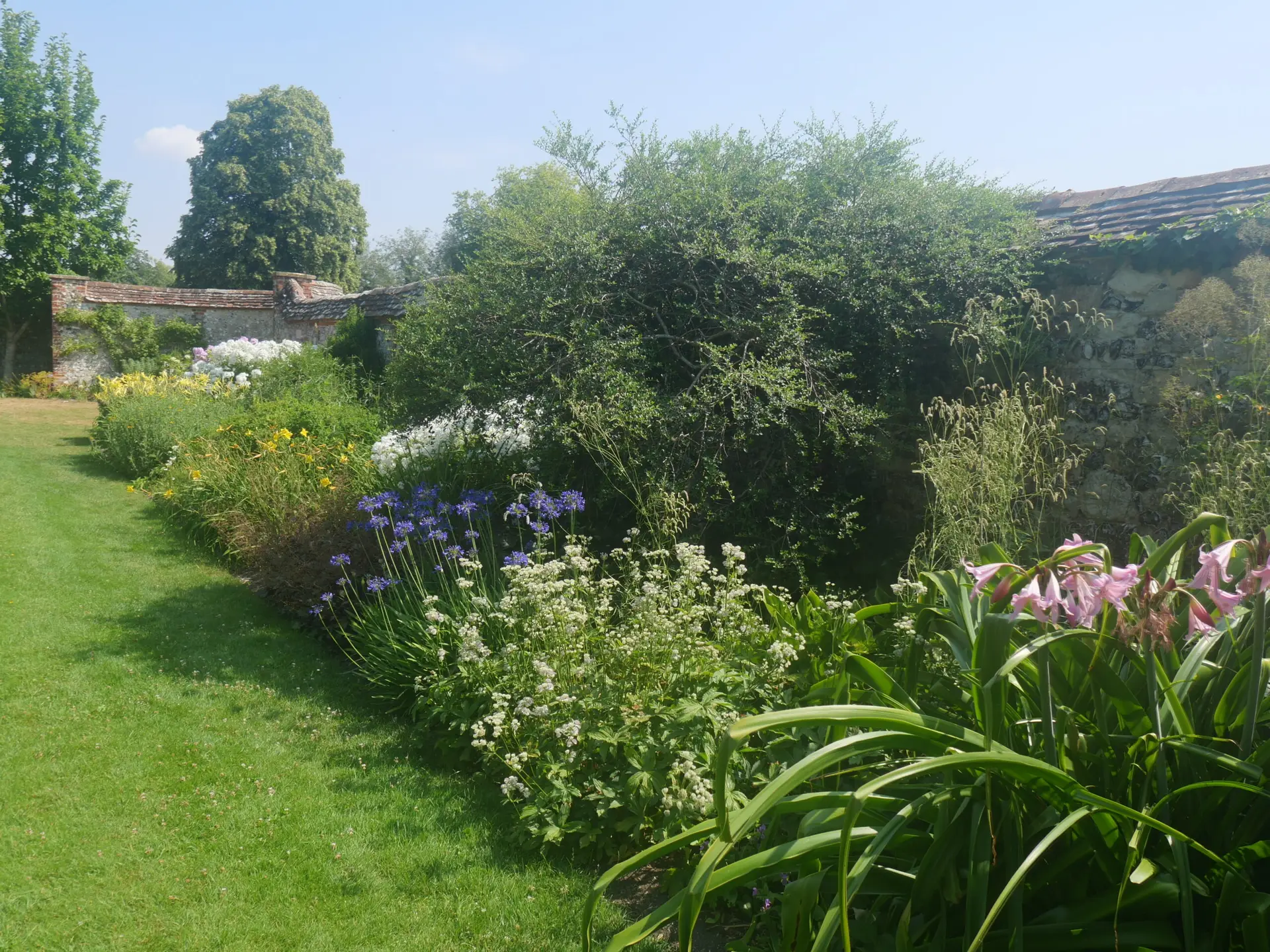
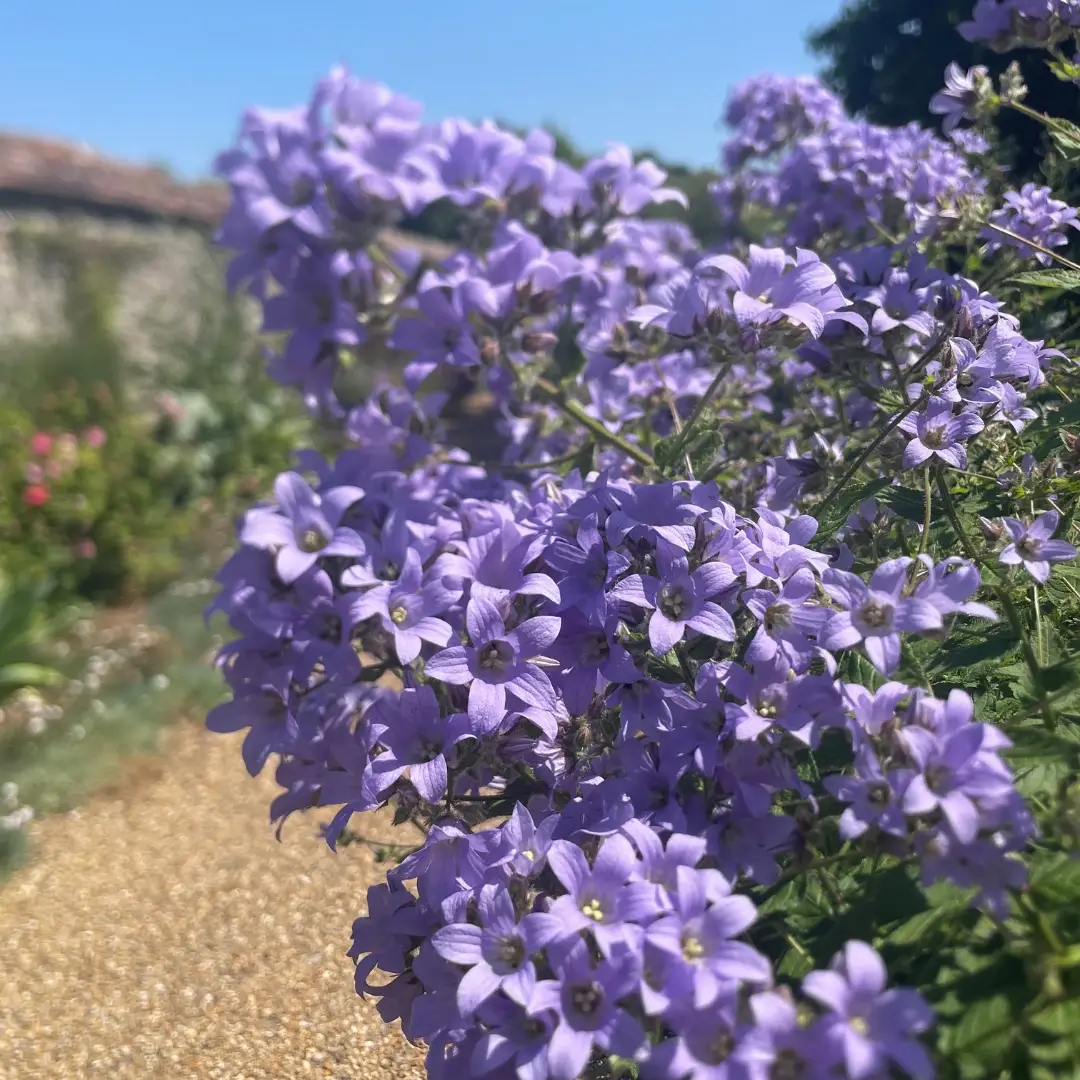
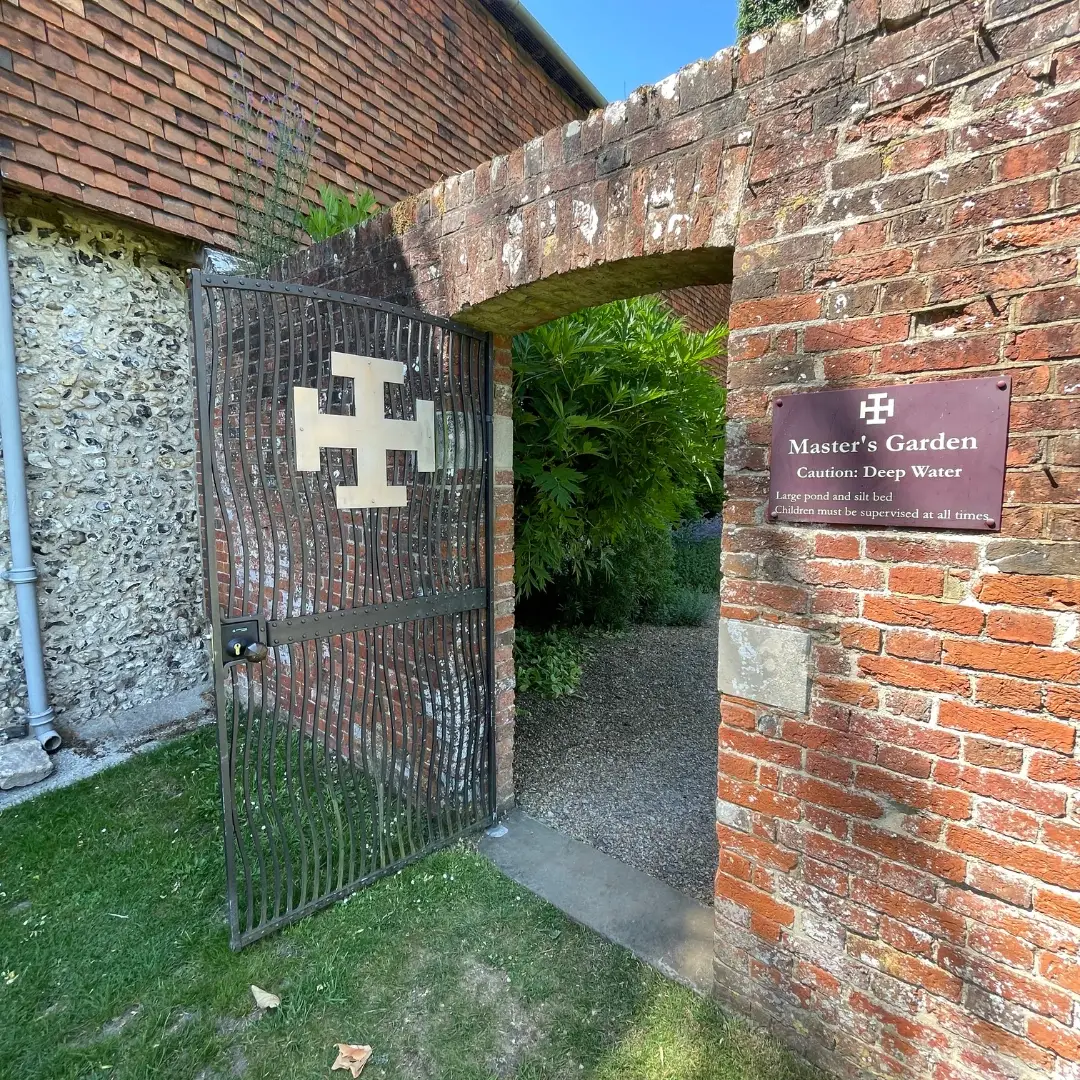
The main garden is known as the Masters’ Garden, and provides interest all the year round with its lawns, mixed borders, topiaried hedging, and ponds with fountains. The area incorporates the Compton Garden which commemorates Henry Compton, Master of St Cross from 1667-1675. He later became Bishop of London, when its diocese included America. Bishop Compton created the garden at Fulham Palace with plants from the New World at the time when they were very newly imported into England. This garden therefore also features plants introduced from America into England during Bishop Compton’s lifetime. It was created in 1986, although some of the plants did not survive and have been replaced by others. In the centre, a Tulip Tree (Liriodendron tulipifera) was planted by Her Majesty Elizabeth The Queen Mother to commemorate her visit to the Hospital of St Cross on 8th July 1986.
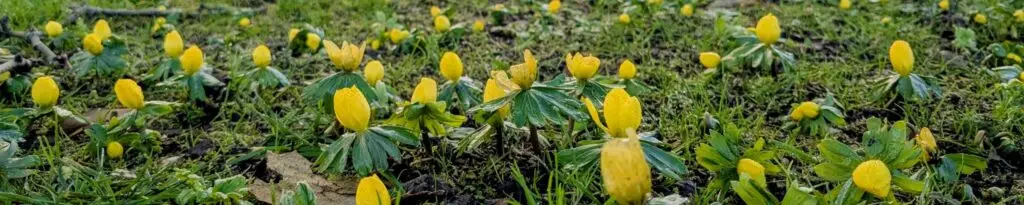
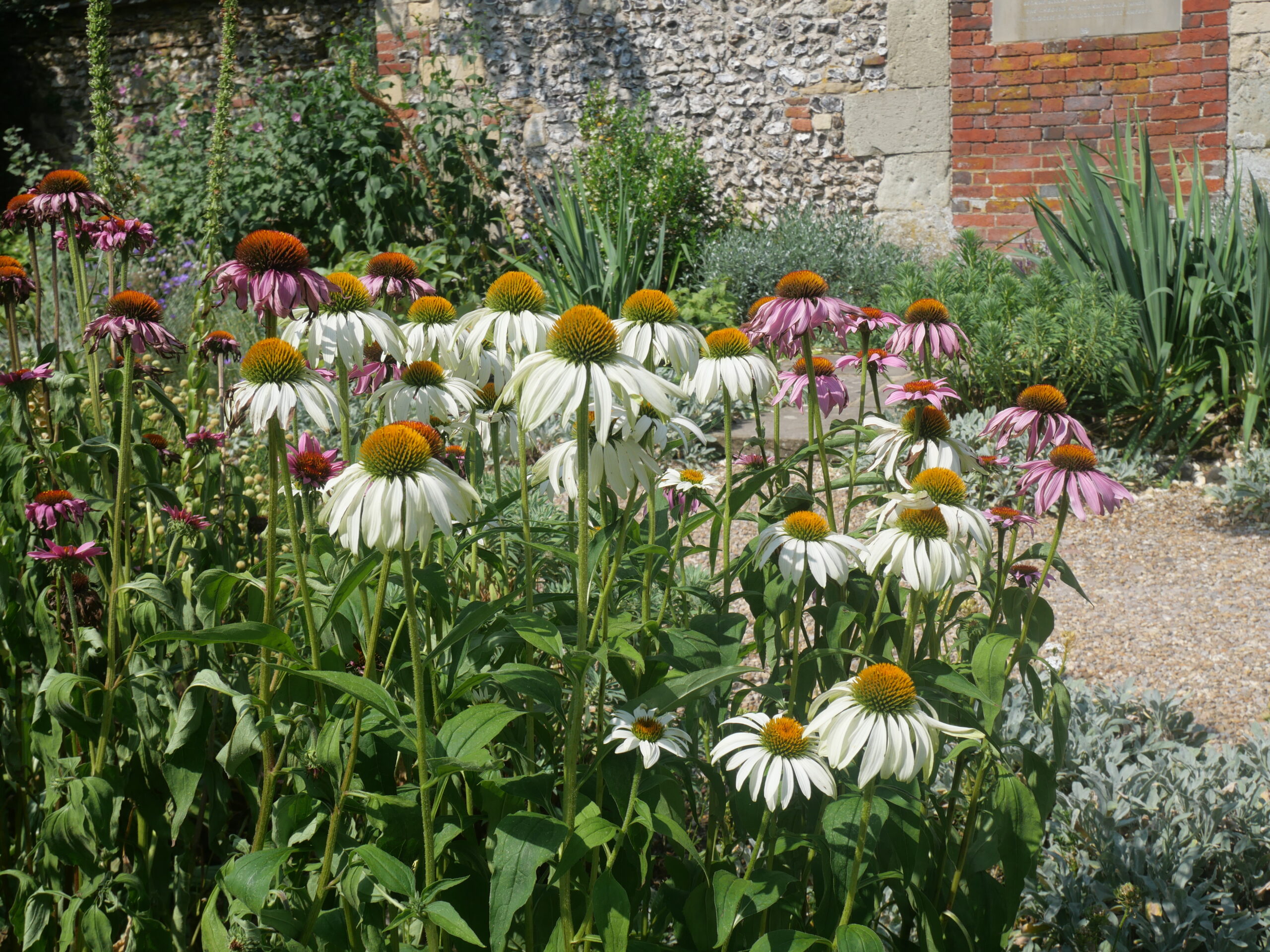
Other trees of note include a Walnut dating from 2000, and a London Plane, thought to be about 300 years old. At the beginning of the year, the ground beneath the Plane is carpeted with a spectacular display of winter aconites. Springtime is lovely in the gardens, with an extensive display of bulbs and colourful flowers.
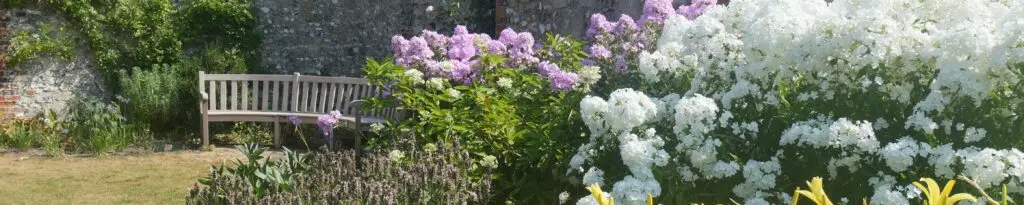
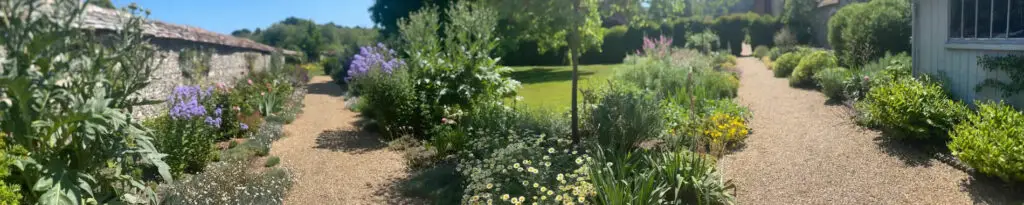
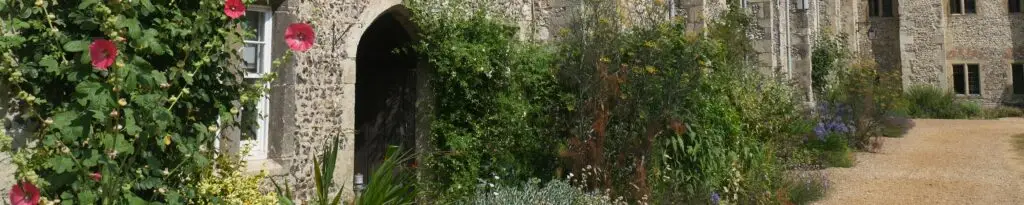
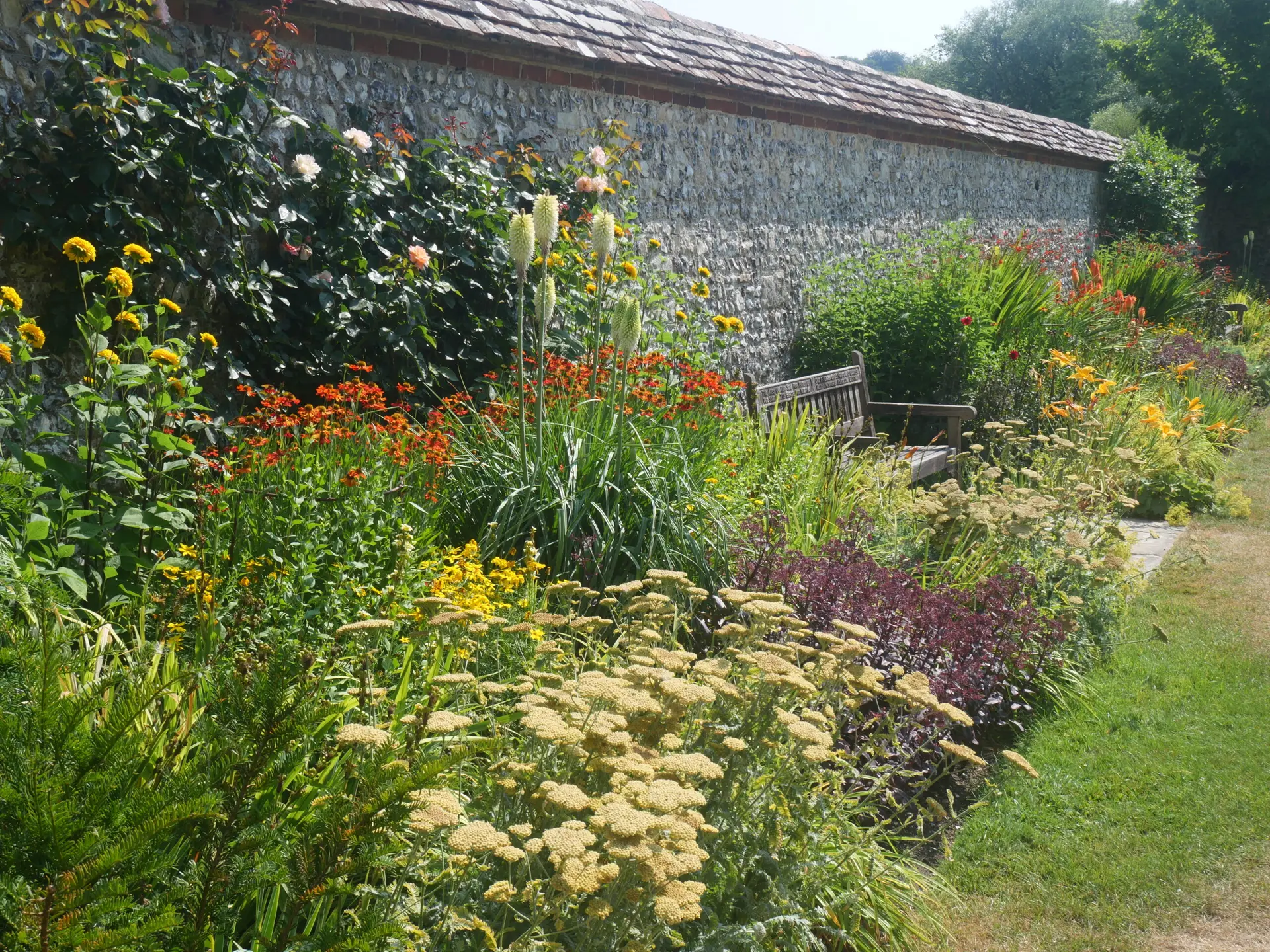
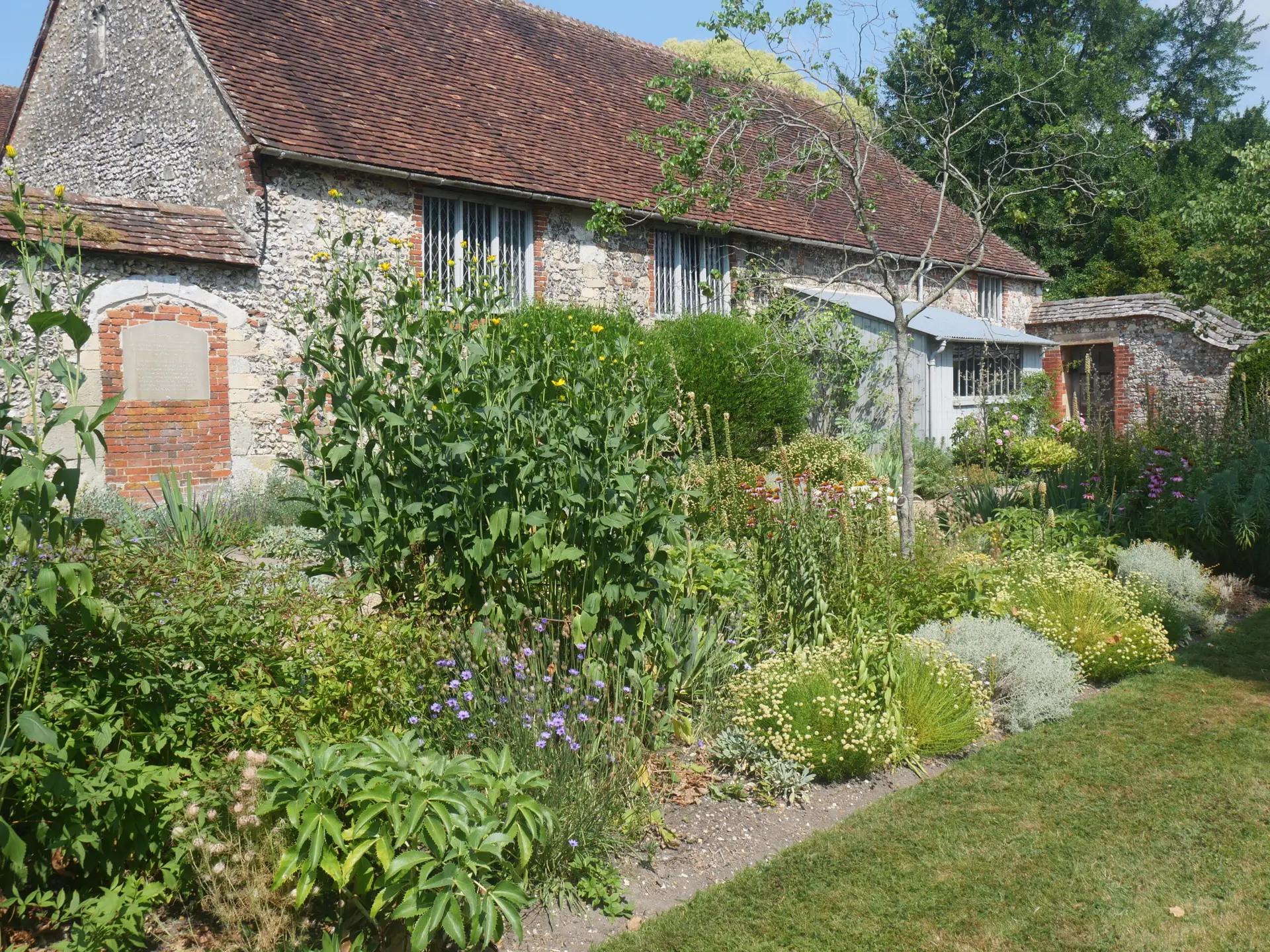
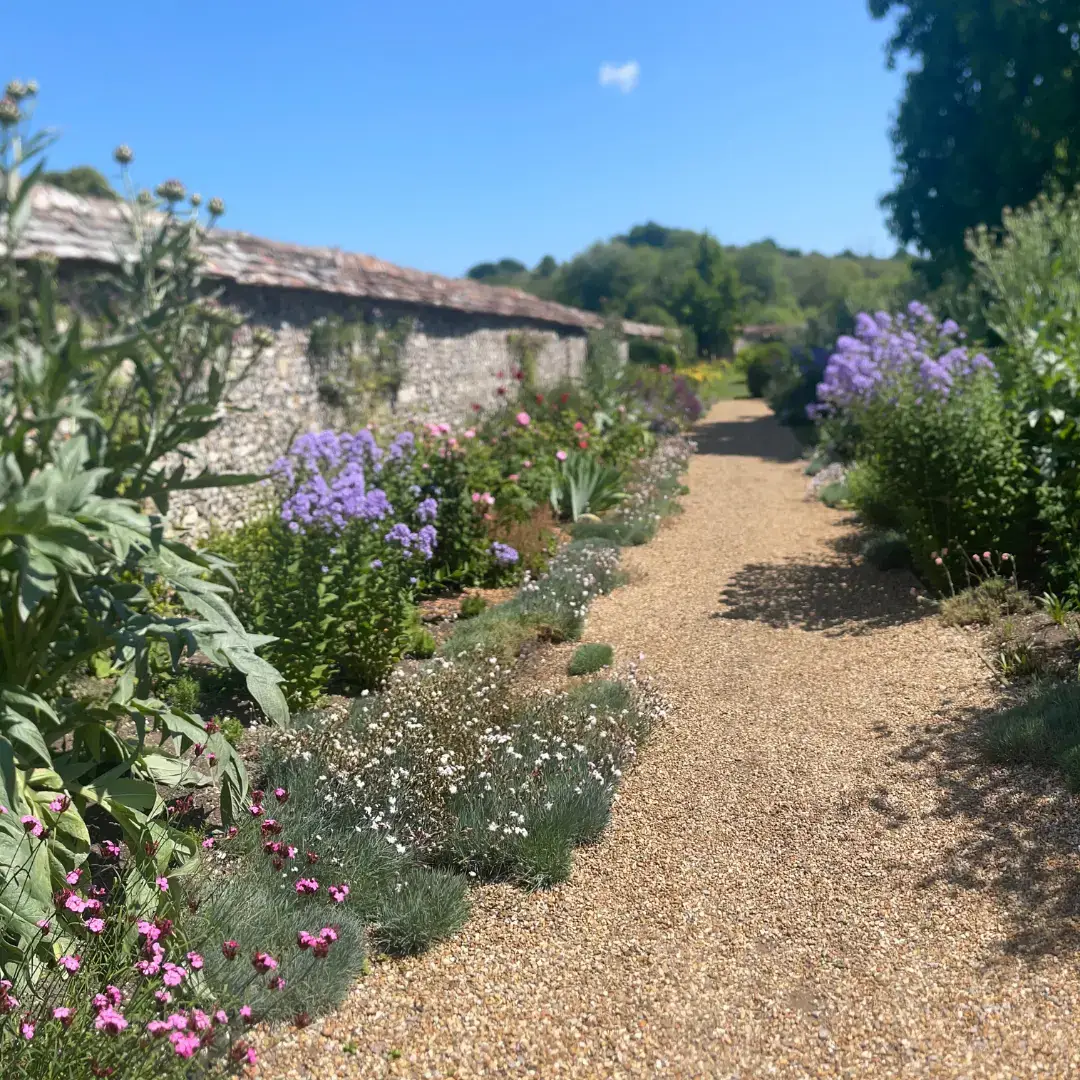
The Hospital is fortunate to have many ancient walls that as well as providing a fitting backdrop to the plants, also provide shelter from the winds, warmth from the stonework, and protection from winter wet. This permits many specialist plants to grow that might otherwise struggle in the open garden. The south-facing wall between the Beaufort Arch and the steps to the Brethren’s Hall includes a number of interesting plants such as Calycathus floridus and Carpentaria californica, continuing the American theme. These borders provide many cosy spots where the Brothers can rest and enjoy their surroundings.
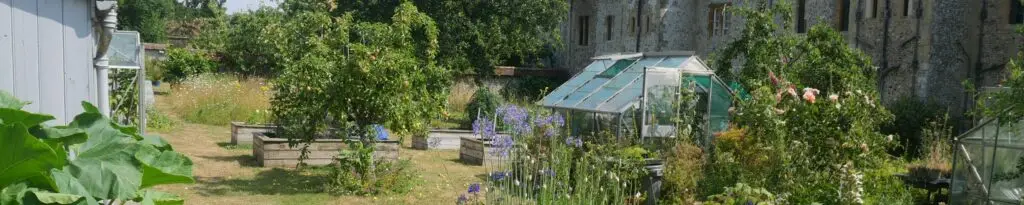
The Brothers themselves also have a private area of gardens, behind their flats, with a row of sheds and a few greenhouses. Here they have areas that they are free to cultivate, and there are many fruit trees which are harvested and provide produce for the kitchen. Sometimes in the summer the fruit and vegetables are made available to visitors. Quite often, though, the Brothers prefer to meet up in their garden and enjoy a drink together, rather than undertake anything more strenuous!
Whatever the season, there is always something of interest to be seen. Thanks to the imaginative planting scheme and the continued hard work and skill of the Gardener, Matthew, and the Groundsman, Ian, the gardens are always kept in excellent condition. There is never a time when nothing is in flower, and even in winter, with the sculptured hedges viewed against the medieval buildings, there is a strong sense of history, peace and continuity that all can enjoy.